
For nearly two decades, the Gears of War franchise has been a staple of the Xbox gaming universe, offering gritty third-person shooter action, emotional storytelling and some of the most intense multiplayer modes ever created. From its humble beginnings on the Xbox 360 in 2006 to its upcoming expansion onto PlayStation consoles, Gears of War has carved out a loyal fanbase and an iconic legacy.
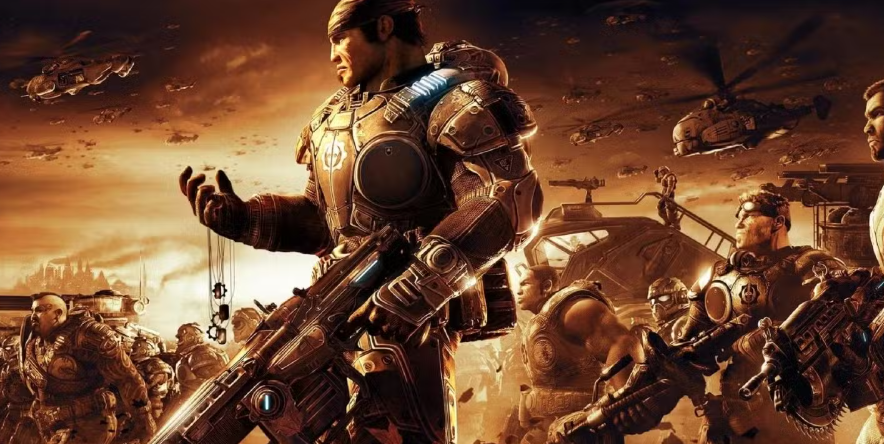
With the highly anticipated Gears of War: E-Day on the horizon and the recent buzz surrounding Gears of War: Reloaded, there’s never been a better time to rank all the Gears of War games. Whether you’re a COG soldier or a newcomer preparing for battle against the Locust Horde, this tier list breaks down the franchise by story quality, gameplay innovation and lasting impact.
S-Tier: The Gears Games That Defined the Franchise
These are the titles that redefined third-person shooters, pushed emotional storytelling in unexpected directions and still hold up as the pinnacle of Gears gameplay.
Gears of War 2 – The Emotional and Mechanical Apex
When people talk about the best Gears of War game, Gears of War 2 is often the first to come up and for good reason.




- Dominic Santiago’s heartbreaking character arc
- Introduction of Horde Mode, a PvE survival mode that became a genre staple
- A larger and more emotionally charged campaign that built on everything the original started
Gameplay refinements, enemy variety and level design made this sequel a near-perfect storm of action and narrative.
Gears of War 3 – The Grand Finale Done Right
Gears 3 was the epic conclusion the trilogy deserved. It wrapped up the Locust War storyline with maturity and intensity, giving players:
- A high-octane campaign with polished pacing
- Horde 2.0, considered by many as the best version ever
- The series’ first DLC campaign which is RAAM’s Shadow, where you play as the legendary villain himself
With tight multiplayer, a refined combat loop and the closure fans craved, Gears 3 is the gold standard for video game trilogies.
Gears 5 – A Modern Evolution with Killer Multiplayer
While Gears 5 may not have reached the emotional heights of its predecessors, it pushed the franchise forward with:
- An open-world campaign structure that gave players freedom to explore
- Hivebusters DLC, one of the franchise’s most underrated gems
- Top-tier multiplayer and a polished Horde 4.0 experience
Gears 5 also benefited from being a technical showcase on the Xbox Series X/S, proving the franchise could evolve without losing its core identity.
A-Tier: Solid Entries That Held the Line
These Gears games were crucial in bridging generations and introducing new mechanics even if they didn’t quite reach legendary status.
Gears of War (2006) – The OG that Changed Everything
The original Gears of War launched a thousand imitators. While it might feel a bit dated now, back in 2006 it was:
- A graphical powerhouse on the Xbox 360
- A trailblazer for cover-based shooting mechanics
- Packed with tense, claustrophobic level design and brutal difficulty
It laid the groundwork for everything that followed. Although lacking some of the polish and variety of later entries, Gears 1 will always be iconic.
Gears of War: Ultimate Edition – A Glorious Remaster
This remaster took the bones of the original Gears and gave it a 2015 makeover. More than just an upscaled re-release the Ultimate Edition included:
- Enhanced visuals and smoother gameplay
- Five extra campaign chapters previously exclusive to the PC version
- Digitized comics that fleshed out the lore
It’s the best way to experience the first Gears game in the modern age.
Gears of War 4 – A New Era Begins
Gears of War 4 marked a new chapter for the franchise under The Coalition, Microsoft’s dedicated Gears studio. It introduced:
- JD Fenix, son of Marcus and a new generation of COG heroes
- A darker, more horror tinged tone
- Horde 3.0 and new weapons like the Dropshot and Buzzkill
While the campaign was criticized for spending too much time battling generic DeeBee robots, it laid the groundwork for the more ambitious Gears 5.
B-Tier: Interesting but Flawed Experiments
These games had potential and some were even fun, but they strayed too far from what makes Gears of War special.
Gears of War: Judgment – The Oddball Prequel
Developed by People Can Fly, Judgment told a prequel story about Baird and Cole through a flashback-heavy campaign.
- Featured score-based missions instead of a traditional narrative arc
- Introduced class-based Overrun and Survival modes
- No playable Locust in PvP, a big loss for fans
While it added interesting elements like declassifying missions for bonus rewards, the shift in tone and gameplay made Judgment feel out of step with the rest of the series.
Gears Tactics – Turn-Based Combat, Gears Style
This 2020 spin-off turned Gears into a turn-based tactical RPG, inspired by XCOM. Surprisingly, it worked at least for genre fans.
- Maintained gritty visuals and lore accuracy
- Offered deep squad customization and progression
- Struggled to attract mainstream Gears fans due to its niche gameplay style
If you love strategy games, this is a hidden gem. But for most Gears fans there is this lack of chain sawing action in real time was a tough sell.
Gears Pop – The Mobile Misfire
There’s not much to say here. Gears Pop was:
- A mobile real-time strategy game based on Funko Pop characters
- Tonally bizarre compared to the gritty Gears aesthetic
- Shut down in 2021 due to lack of player interest
This was Gears trying too hard to be something it’s not.
Looking Ahead: Gears of War: Reloaded and E-Day
The future of Gears looks bright. Microsoft has confirmed Gears of War: Reloaded, a remaster project expected to bring the original trilogy to modern platforms including PlayStation for the first time. Even more exciting is Gears of War: E-Day, set during Emergence Day, the pivotal event that changed Sera forever. With Unreal Engine 5 powering E-Day and a return to darker, grittier roots, fans hope this prequel will deliver:
- Classic Gears tone and gameplay
- Deep lore expansion on the early days of the Locust War
- More human moments between Marcus, Dom, and the original Delta Squad
Here’s the final Gears of War Tier List at a glance:
| Tier | Game Titles |
| 🟥 S-Tier | Gears of War 2, Gears of War 3, Gears 5 |
| 🟦 A-Tier | Gears of War (2006), Gears of War: Ultimate Edition, Gears of War 4 |
| 🟨 B-Tier | Gears of War: Judgment, Gears Tactics, Gears Pop |
Which Gears Game Is Your Favourite?
